


Print this page — Done printing
OR search: Catalog | Databases | Internet
Social Science and History Department

How Did They Live: Exploring Daily Life throughout History

Did you ever wonder how people lived in other historical periods? Perhaps you’re looking for information on sports in the ancient world; or you’re researching life in the American colonies for a novel you’re writing. Investigating the everyday lives of people often provides us with a clearer and more comprehensive picture of a particular historical period. This guide will help you explore web and print resources that will assist you in your research.

Primary Sources on the Web

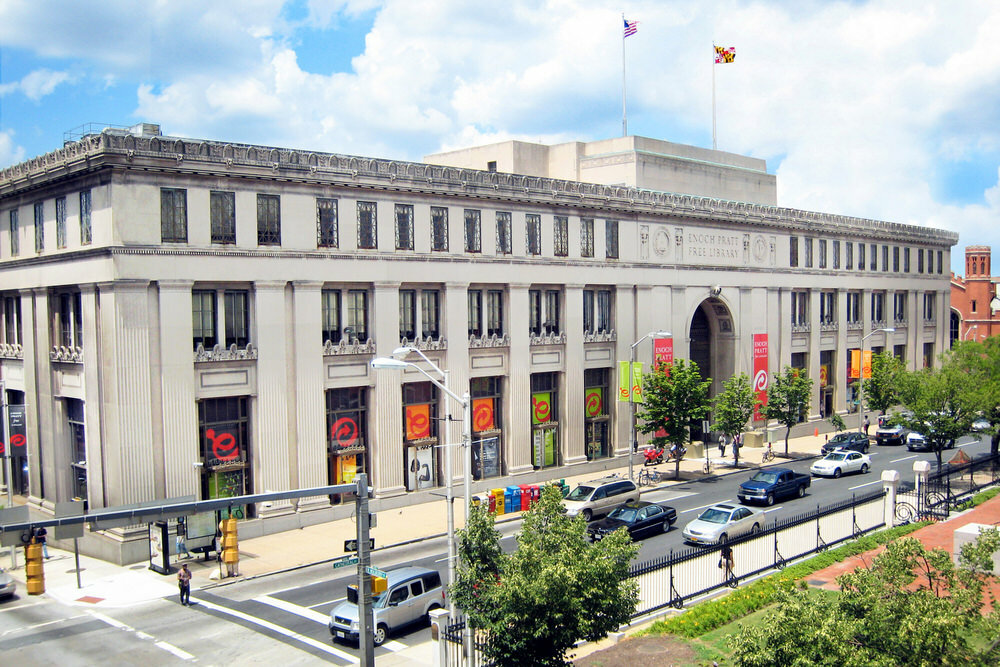
One of the best ways to get to know a historical place and time is by reading accounts written by people who lived during that time. We generally think of primary sources as original documents from the historical period we are researching. The definition of primary source materials is not always a straightforward one. While some researchers believe when and why the document was created determines its eligibility as a primary source, others hold that how the document is used classifies whether or not it is a primary source. Primary sources at the Enoch Pratt Free Library State Library Resource Center:   

  • Refer to a first hand account or evidence of an event or topic
  • Use the words of the witness or the initial recorder of an event
  • Reflect the viewpoint of the observer as well
  • May be used to produce a secondary source

Some examples of primary sources are:

  • Autobiographies and memoirs
  • Letters and correspondence
  • Original documents, such as vital records
  • Photographs and recordings
  • Records of an organization
  • Newspaper or magazine articles that are written at the time of an event
  • Journals and diaries
  • Speeches
  • Artifacts 
     

 Here are some Web collections of primary sources:

American Colonist's Library: Primary Source Documents Pertaining to Early American History 
Here’s a comprehensive collection of texts ranging from classical philosophers and works of the Renaissance to letters of settlers, colonial documents, and the writings of prominent personalities such as Samuel Adams and Benjamin Franklin: a treasure house of primary sources.

American Memory: Historical Collections for the National Digital Library 
The Library of Congress American Memory Project features more than 60 collections of primary resources including books, broadsides, maps, motion pictures, manuscripts, pamphlets, photographs, sheet music, and other materials. The range of subject matter is overwhelming: African American Perspectives, Baseball Cards, Civil War Photographs, Native American History, the Spanish American War in Motion Pictures, Voices from the Dust Bowl, and WPA manuscripts.

Born in Slavery: Slave Narratives 
Part of the Library of Congress American Memory Project, Born in Slavery: Slave Narratives from the Federal Writers' Project, 1936-1938, contains more than 2,300 first-person accounts of slavery and 500 black-and-white photographs of former slaves.

Documenting the American South: Primary Resources for the Study of Southern History, Literature, and Culture 
Sponsored by the University Libraries at the University of North Carolina, Chapel Hill, the texts are largely taken from its collections. The site gives access to carefully evaluated digitized books and manuscripts on Southern history, literature, and culture from the colonial era through the early 20th century. Five major subject groupings are currently available: First-Person Narratives, Library of Southern Literature, North American Slave Narratives, the Southern Homefront (1861-1865), and the Church in the Southern Black Community.
 
EuroDocs: Primary Historical Documents from Western Europe 
EuroDocs provides ready access to significant Western European primary sources ranging from ancient times to the present. The site is maintained by Richard Hacken, European Studies Bibliographer at Brigham Young University Library.
 
Internet Ancient History Sourcebook 
Created by Prof. Paul Halsall at Fordham University, the Sourcebook incorporates primary sources from ancient Egypt, Mesopotamia, Greece, Rome, Israel, Persia, and the Hellenistic World. The site also includes a useful section on human origins.

Internet Medieval Sourcebook 
Developed by the Fordham University Center for Medieval Studies, the Internet Medieval Sourcebook is an extensive and colorful resource devoted to all aspects of medieval life and culture. Maps, full text documents, secondary sources, and numerous links are included.

Internet Modern History Sourcebook 
Designed for students and teachers, the Internet Modern History Sourcebook is a vast site covering modern world history with a special emphasis on Europe. Primary sources, maps, interdisciplinary topics, images, and multimedia sources including music are included. The site is hosted by Fordham University.

Southern Homefront 
The Southern Homefront, 1861-1865, documents Southern life during the Civil War, especially the unsuccessful attempt to create a viable nation state as evidenced in both private and public life. This resource contains more than four hundred digitized and encoded contemporary printed works and manuscripts, accompanied by many images of currency, manuscript letters, maps, broadsides, title pages, illustrations, and photographs. Southern Homefront is part of the University of North Carolina's respected Documenting the American South Collections.

Voices from the Dust Bowl 
Part of the Library of Congress's American Memory Project, Voices "is an online presentation of a multi-format ethnographic field collection documenting the everyday life of residents of Farm Security Administration (FSA) migrant work camps in central California in 1940 and 1941. This collection consists of audio recordings, photographs, manuscript materials, publications, and ephemera." - Intro.

Everyday Lives

One of the best ways to understand a particular historical period is by researching how people lived during that period. Where did they live and what kind of clothing did they wear? What foods did they enjoy and what did they do for entertainment? What kind of schools did they attend? How did they earn a living? The answers to these questions will tell us a great deal about a civilization.

General Web Resources

Ancient Civilizations 
Students in the 6th grade at the William Penn Charter School created this basic guide to life and culture in ancient Africa, China, India, Mesopotamia, and Canaan.

Ancient Civilizations for Kids 
Using her many years of experience as a teacher, Kathi Mitchell offers a large collection of web resources designed for kids studying China, Mesopotamia, Egypt, Kush, Greece, Rome, Pompeii, and Phoenicia.

BBC – History for Kids 
Designed for students between the ages of 5 and 14, this resource covers Greeks, Romans, Celts, and Vikings, among others.

Daily Life in Ancient Civilizations 
Lin and Don Donn are teachers offering information on daily life in the Aztec, Inca, and Mayan civilizations as well as in ancient China, Egypt, Greece, and Rome.

dMarie Time Capsule 
Ever wonder how much a gallon of milk or a loaf of bread cost when you were born? Go back in time and check out the news headlines, hit records, best-selling books, and popular TV shows.

Eyewitness to History 
This award-winning web site presents eyewitness accounts of significant historical events from ancient times up to the present and features photographs, sound recordings, and film clips.

Kidipede - History for Kids 
Dr. Karen Carr, Associate Professor of History at Portland State University created this history resource for young people. Among the areas covered are China, Egypt, Greece, India, Rome, western Asia, and North America.

Odyssey Online 
Using art from the Michael C. Carlos Museum of Emory University and the Memorial Art Gallery of the University of Rochester, Odyssey Online provides an interactive voyage through the ancient Americas, Egypt, Greece, Rome, Near East, and sub-Saharan Africa in the 19th and 20th centuries.

Time Machine to the Ancient World 
Produced under the auspices of the New South Wales (Australia) Country Areas Program, the Time Machine to the Ancient World allows you to explore daily life in China, Egypt, Greece, Rome, and Sumer.

Africa

Ancient Egypt – the British Museum 
The British Museum’s very informative look at the civilization of ancient Egypt concentrates on daily life, gods and goddesses, mummification, pyramids, time, trades, and writing.

Ancient History: Egyptians (BBC) 
This resource created by the BBC focuses on various aspects of daily life including religious beliefs, the role and status of women, pyramid building, and mummification.

Daily Life in Ancient Egypt 
Introduces young students to everyday life in ancient Egypt with information on Egyptian art, games, gods and goddesses, professions, schools, and the afterlife.

Daily Life in Ancient Egypt (Minnesota State University) 
Geared toward older students, Minnesota State’s site covers topics such as ethno zoology, kinship and marriage, manufacturing, medicine, religion, and sanitation.

Life in Ancient Egypt (Carnegie Museum) 
The Carnegie Museum of Natural History uses its collection of more than 2500 ancient Egyptian artifacts to explore the Egyptian natural world, daily life, gods and religion, and funerary customs.

Daily Life in Ancient/Medieval Africa 
Teacher Don Donn offers an introduction to the civilizations and cultures of Egypt, Kush, Ghana, Mali, Songhai, and Benin for young students.

Asia

Ancient China 
Produced by Kidsnewsroom, this resource covers culture, daily life, government, industry, and social levels.

Ancient China – the British Museum 
The British Museum’s web resource explores crafts and artisans, tombs and ancestors, geography, and writing.

Ancient India: How Did People Live in Ancient India? 
Designed for a 6th grade world history curriculum, this web site explores ancient Indian architecture, art, music, religion, sports and games, and the caste system.

Ancient India – the British Museum 
This web resource uses animations, 3-D models, and artifacts from the British Museum’s collections to give students a look at the culture, history, and religion of ancient India.

Daily Life in Ancient China 
This web site is teacher Don Donn’s introduction to ancient Chinese civilization for young students. Subjects covered include calligraphy, food, gods and goddesses, inventions, and religion.

Daily Life in Ancient India 
Introduces young students to ancient India through an exploration of daily life and culture from 3000 B.C. to the 7th century A.D.

Daily Life in Ancient Sumer (Mesopotamia) 
Don Donn’s guide to daily life in ancient Mesopotamia covers art, education, homes, religion, social classes, women, and ziggurats.

Mesopotamia – the British Museum 
Using artifacts from its vast collections, the British Museum’s web resource focuses on the civilizations of Sumer, Assyria, and Babylon.

Europe

The Ancient Greek World (University of Pennsylvania) 
Looks at several aspects of daily life in the ancient Greek world including education, house furnishings, drinking parties, hunting, women’s life, and warfare.

Ancient History: Romans (BBC) 
Features articles on food, gladiators, religion, slavery, and social pecking order in ancient Rome.

Children in Victorian Britain (BBC) 
Let Bert the Chimney Sweep escort you on this fascinating interactive tour through work, play, and school in Victorian Britain.

Children of World War II (BBC) 
Vera will take you on a guided tour of a British child’s life during World War II including looks at a typical home, rationing, and letters from evacuees.

Daily Life in Ancient Greece 
Don Donn’s web site covers ancient Greek clothing and hairstyles, education, food, religion, and wedding customs.

Daily Life in Ancient Rome 
Designed for younger students, this web site looks at Roman baths, clothing, entertainment, holidays and festivals, meals, religion, and the status of women.

Dominion & Domination of the Gentle Sex: the Lives of Medieval Women 
After testing your knowledge with a short quiz, you can explore birth, marriage, and death from a medieval women’s perspective. Other topics covered include arts, fashion, medicine, religion, science, and warfare.

Life in Elizabethan England: a Compendium of Common Knowledge, 1558-1603 
Whether you’re an actor, researcher, or reenactor, you’ll find this site a great resource for information on such topics as children, education, fashion, food, games, language, money, occupations, and religion in Elizabethan times.

Life in the Middle Ages 
This comprehensive web resource offers useful information on castles, clothing, feudalism, food, knights, religion, weapons, and women.

Feudal Life: What Was It Really Like to Live in the Middle Ages? 
Inspired by Annenberg Media’s Western Tradition series, the interested researcher can easily find information on feudal life, clothing, homes, health, religion, and arts and entertainment.

Renaissance Links on the WWW for Daily Life 
Here’s an outstanding collection of links covering a variety of Renaissance topics including ceremonies, clothing, economy, food, games, language, and daily life in general.

Victorian Articles and Information 
If you’re interested in the Victorian Era, this web site will fill you in on calling card etiquette, clothing, furnishings, weddings, and funeral and mourning customs among other areas.

The Vikings (BBC) 
Here’s a great introduction to the Vikings, offering information on Viking beliefs, daily life, trade, travel, and exploration. This site also includes a helpful timeline.

The Americas

Africans in America: Conditions of Antebellum Slavery, 1830 - 1860 
Produced under the aegis of the PBS Africans in America series, this article describes living conditions for slaves in the first half of the 19th century.

City Life in the Late 19th Century 
This American Memory resource uses excerpts from real life interviews, maps, and articles to explore urban life in this time period.

Colonial Life (Kid Info) 
Here’s a resource for students, parents, and teachers that offers a large selection of links on various aspects of daily life during colonial times. Subjects include clothing, currency, education, food, medicine, and occupations.

Colonial Williamsburg History 
Viewers can explore early American life virtually in this Colonial Williamsburg Foundation History site. Resources on clothing, gardens, fifes & drums, archaeology, colonial living, children, African Americans, and biographies are featured.

Daily Life in Antebellum America 
HistoryCentral’s web resource offers brief discussions of clothing, diversity on life, education, entertainment, family, food, homes, and language during the period before the American Civil War.
 
Daily Life in the Inca Empire 
This site introduces young students to Inca architecture, government, inventions, professions, religion, and terrace farming.

Daily Life in the Maya Empire 
Here’s a short but informative survey of daily life in the ancient Mayan civilization. The web site is another of Don Donn’s created specifically for younger students.

Digital History: Social History – Life Stories of Americans in the Early 1900s 
Here’s a fascinating collection of interviews with Americans from all walks of life originally published in the early 1900s.

Everyday Life in America in 1831 (University of Virginia) 
Alexis de Tocqueville’s journals provide the source material for this interesting look at domestic life, housing, recreation, work, and fashion in 1830s America.

How the Civil War Soldiers Lived 
Have you ever wondered what everyday life was like for the soldiers of the Union and the Confederacy? This resource uses first person accounts to explore various aspects of daily life including clothing, food, marching, and religion.

Life in the 13 American Colonies 
This section of the Social Studies for Kids web site features useful information geared toward younger students on such topics as agriculture, education, food, and religion.

Lower East Side Tenement Museum: Urban Log Cabin and Excavation 
Click on the rooms in the Urban Log Cabin and discover the lives of immigrant families living in New York’s Lower East Side in the years between 1870 and 1915. Peel away the layers of wallpaper and click on the floorboards to discover artifacts of daily life left behind by these families.

Native American Facts for Kids 
Produced by the nonprofit organization, Native Languages of the Americas, this outstanding resource provides ready access to information on specific Native American groups ranging from the Abenakies through the Yuroks. Of particular note is the section demonstrating 10 different styles of Native American housing.

Native Americans - Daily Life in Olden Times 
Another in teacher Don Donn’s series intended for younger students, this web site offers information on daily life among such Native American peoples as the Apache, Cherokee, Iroquois, Navajo, Pueblo, and Sioux.
 
Pioneer House: Daily Life of 17th Century American Colonists 
Pioneer House was an interesting experiment in which 26 people volunteered to experience daily life in circumstances similar to those faced by the early American colonists. The companion web site provides insight into such topics as religion, punishments, social expectations, and women.

Rural Life in the Late 19th Century 
Using excerpts from primary sources, this section from the Library of Congress’s Learning Page resource features sheet music, home remedies, photographs, and personal accounts in an attempt to understand the realities of American rural life during this period.

Slaves’ Stories 
This British web site transports you to 1780. Select your guide from one of four representatives from the Asante, Fanti, Igbo, and Yoruba peoples and take an unforgettable journey through the 18th century slave experience.

20th Century American Culture 
Here’s a great collection of interesting web sites covering various aspects of the American experience, decade by decade, during the 20th Century.

Voices from the Days of Slavery: Former Slaves Tell Their Stories 
Nearly seven hours of extraordinary recordings of interviews done between 1932 and 1975 with former slaves can be heard through the Library of Congress. Twenty-three people told their stories not just of slavery but of the lives of African Americans born between 1823 and the early 1860s.

Print Resources

Salisbury, Joyce E., ed. Greenwood Encyclopedia of Daily Life: a Tour through History from Ancient Times to the Present. Westport, Conn: Greenwood Press, 2004.   XGT31.G74 2004Q
This six-volume encyclopedia is an outstanding reference guide to daily life in various civilizations from ancient times to the present.

The Enoch Pratt Free Library has various titles within its collections dealing with daily life in different historical periods. Most of these books are available for borrowing. Here are some examples:

Aldrete, Gregory S.  Daily Life in the Roman City: Rome, Pompeii, and Ostia. Westport, Conn: Greenwood Press, 2004 DG78.A53 2004

Butt, John J. Daily Life in the Age of Charlemagne. Westport, Conn: Greenwood Press, 2002. DC73.B86 2002

Byrne, Joseph Patrick. Daily Life During the Black Death. Westport, Conn: Greenwood Press, 2006. RC172.B97 2006

Cohen, Elizabeth S. and Thomas V. Cohen. Daily Life in Renaissance Italy. Westport, Conn: Greenwood Press, 2001.DG445.C48 2001

Drowne, Kathleen, and Patrick Huber. The 1920s. Westport, Conn: Greenwood Press, 2004. E169.1.D796 2004

Heidler, David S. and Jeanne T. Heidler. Daily Life in the Early American Republic, 1790-1820. Westport, Conn: Greenwood Press, 2004. E164.H44 2004

Lindsay, James E. Daily Life in the Medieval Islamic World. Westport, Conn: Greenwood Press, 2006. DS36.855.L56 2005

Moulton, Candy. Everyday Life among the American Indians, 1800 to 1900: a Guide for Writers, Students, & Historians. Cincinnati, Ohio: Writer’s Digest Books, 2001. E98.S7M68 2001

Nash, Alice, and Christoph Strobel. Daily Life of Native Americans from Post-Columbian Through Nineteenth-Century America. Westport, Conn: Greenwood Press, 2006. E77.4.N36 2006

Newman, Paul B. Daily Life in the Middle Ages. Jefferson, North Carolina: McFarland & Company, Inc., 2001. CB353.N46 2001

Picard, Liza. Elizabeth’s London: Everyday Life in Elizabethan London. New York: St. Martin’s Press, 2004. DA680.P53 2004

Rautman, Marcus. Daily Life in the Byzantine Empire. Westport, Conn: Greenwood Press, 2006. DF521.R37 2006

Rielly, Edward J. The 1960s. Westport, Conn: Greenwood Press, 2003. E169.12.R53 2003

Shrock, Joel. The Gilded Age. Westport, Conn: Greenwood Press, 2004.  E169.1.S5585 2004

Wolf, Kirsten. Daily Life of the Vikings. Westport, Conn: Greenwood Press, 2004. DL65.73 2004

Young, William H., and Nancy K. Young. The 1950s. Westport, Conn: Greenwood Press, 2004. E169.12.Y69 2004

If You Need More Help

This guide should enable you to start your research. If you need further assistance, you can e-mail us, or contact us through mail or phone:

Social Science and History Department
Enoch Pratt Free Library
Central Library/State Library Resource Center
400 Cathedral Street
Baltimore, MD 21201
Telephone: (410) 396-5321
Fax: (410) 396-1431

Print this page — Done printing