





Black Political Leaders in Maryland: A Legacy
The history of Maryland cannot be told without honoring its Black politicians. From William H. Butler, the first Black man elected to any public office in the state in 1873, to Angela Alsobrooks, the first Black woman from Maryland elected to the U.S. Senate in 2024, this legacy is defined by a long succession of fearless leadership that continues to this day.
The Enoch Pratt Free Library is proud to present Black Political Leaders in Maryland: A Legacy, on view now spanning two floors of our historic Central Library. This exhibit, divided into five sections, is a celebration of our state’s Black elected officials and the community members and organizations that work side by side with them. Black Political Leaders in Maryland: A Legacy features historical photographs and biographical spotlights on both iconic figures and unsung heroes throughout Maryland’s history.
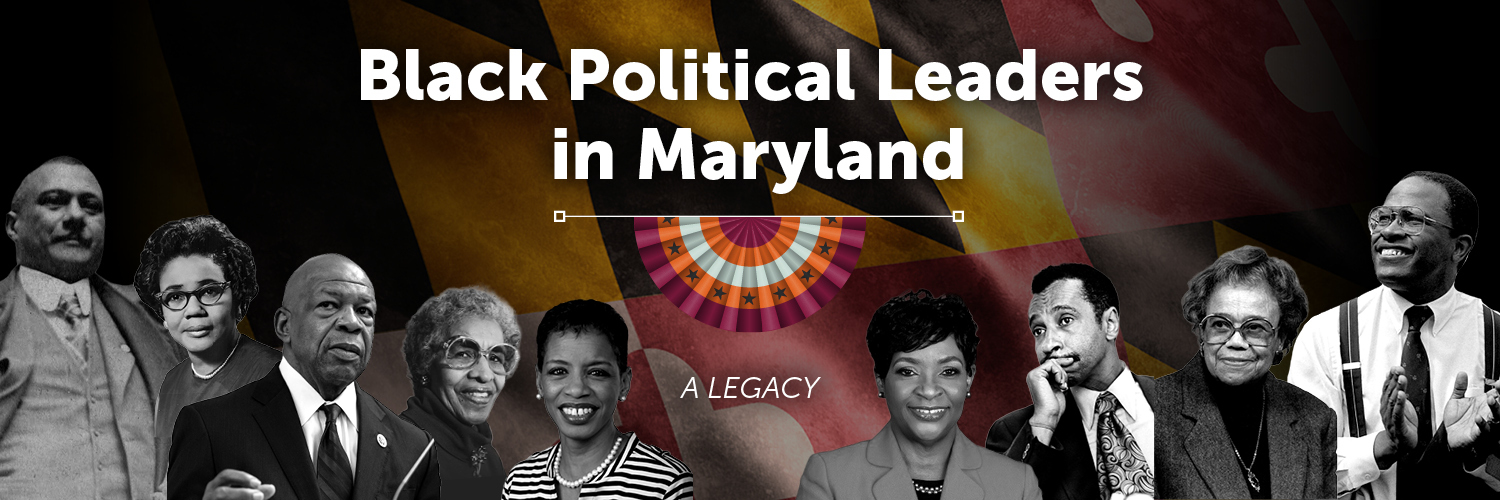
Central Hall, First Floor
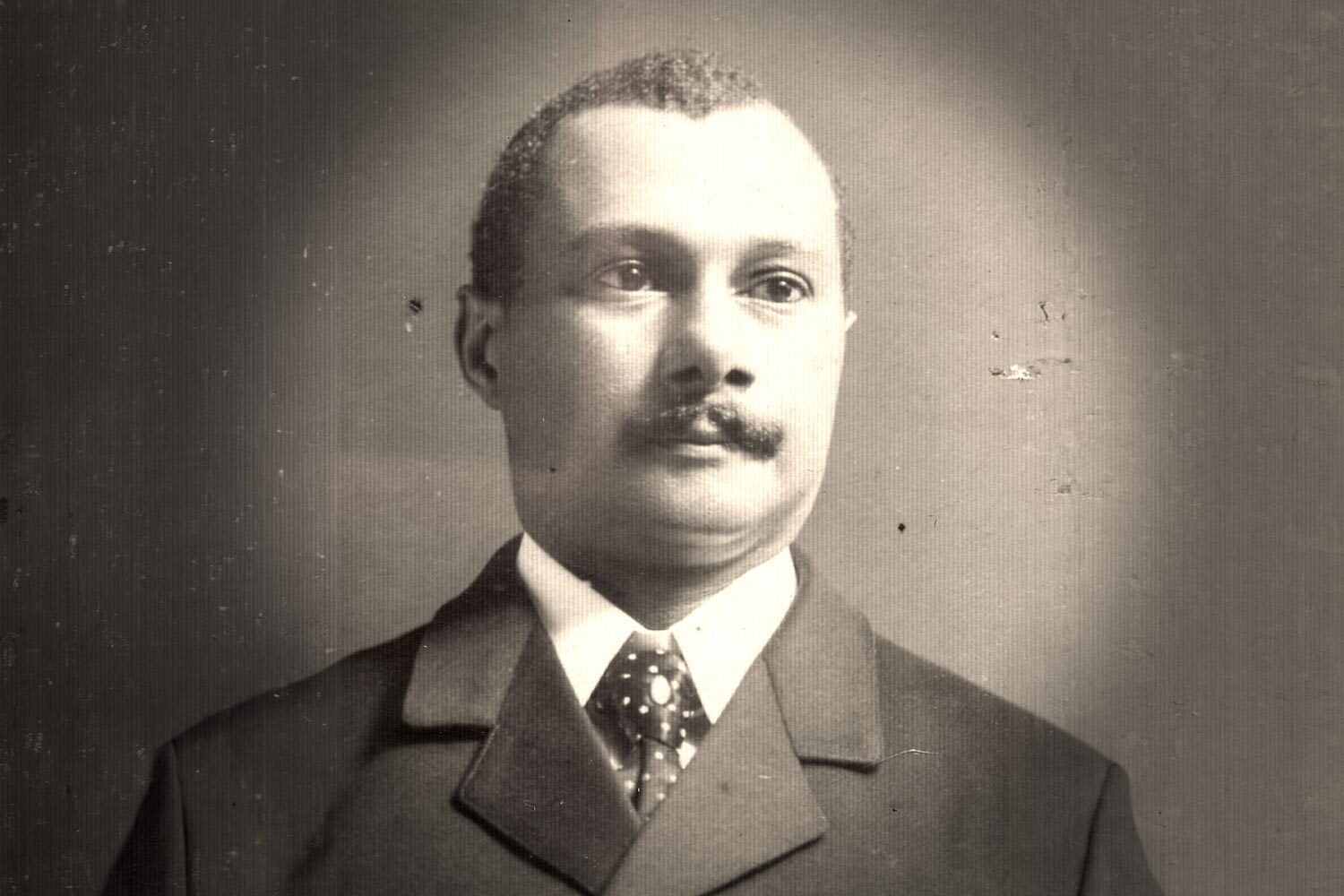
Firsts!
For more than 150 years and counting, Maryland’s Black leaders have shattered barriers and ceilings alike, leading the way for generations of elected officials and activists. In this section, you’ll learn about such figures as Harry Sythe Cummings, the first Black man elected to Baltimore City Council in 1890; Victorine Q. Adams, the first Black woman elected to Baltimore City Council in1966, who also founded the Colored Women’s Democratic Campaign Committee in 1946; and Verda F. Welcome, the first Black woman elected to Maryland House of Delegates 1958 and to the Maryland State Senate in 1962.
Periodicals Department, First Floor
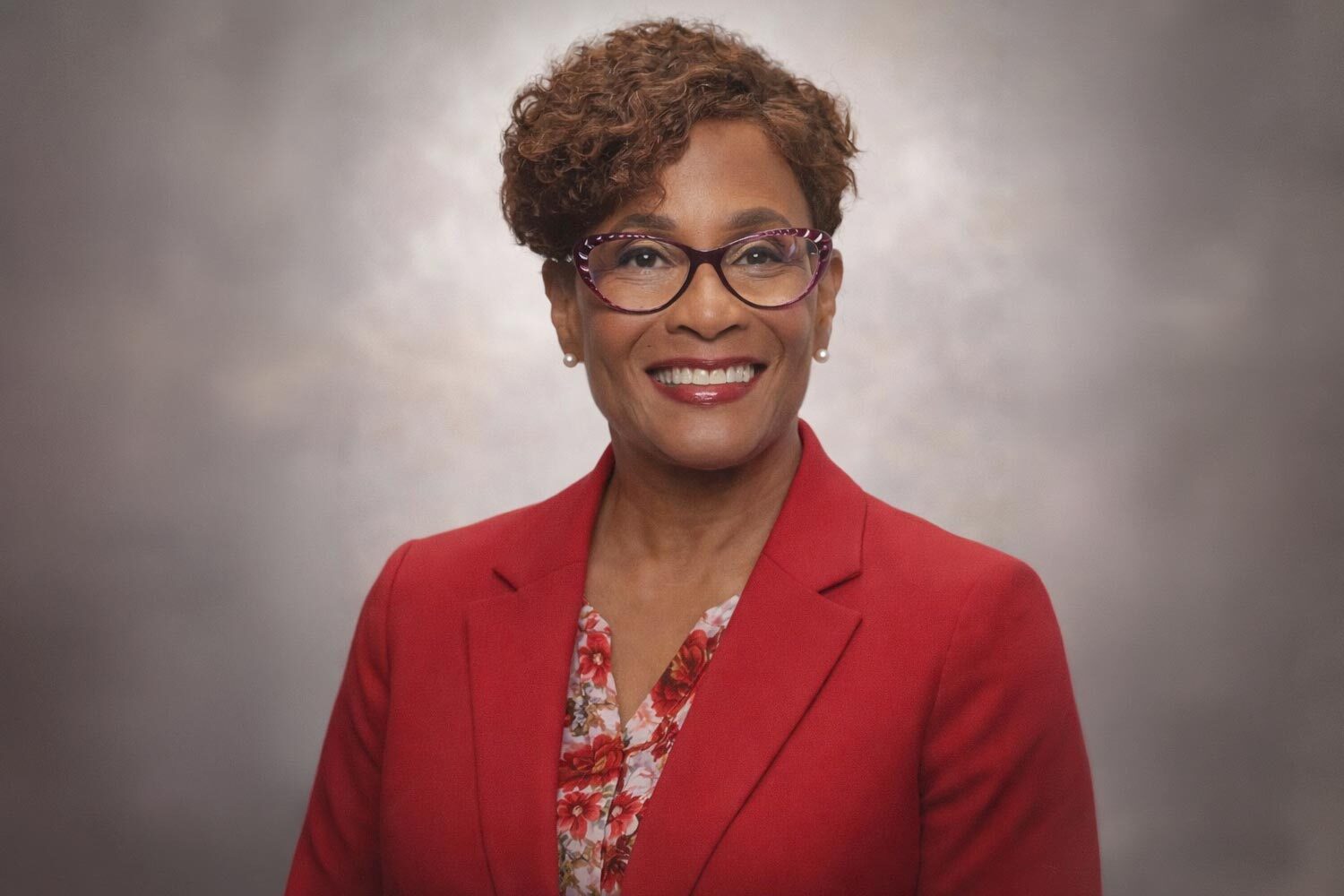
The Press: The Afro-American
Founded in Baltimore on August 13, 1892, The Afro-American has championed civil rights, racial equality, and economic opportunity for Black Americans for more than 130 years. It is the nation's longest continuously published Black family-owned newspaper and one of the oldest Black-owned businesses in the United States.
In this section you’ll learn about founder John H. Murphy Sr., who was born into slavery and gained his freedom through service in the United States Colored Troops during the Civil War, and how his legacy is now carried by his granddaughter Dr. Frances Murphy Draper, who has expanded the newspaper’s digital reach, strengthened community partnerships, and launched impactful platforms such as the AFRO Digital Billboard Network and The Afro Table newsletter.
Social Science & History Department, First Floor
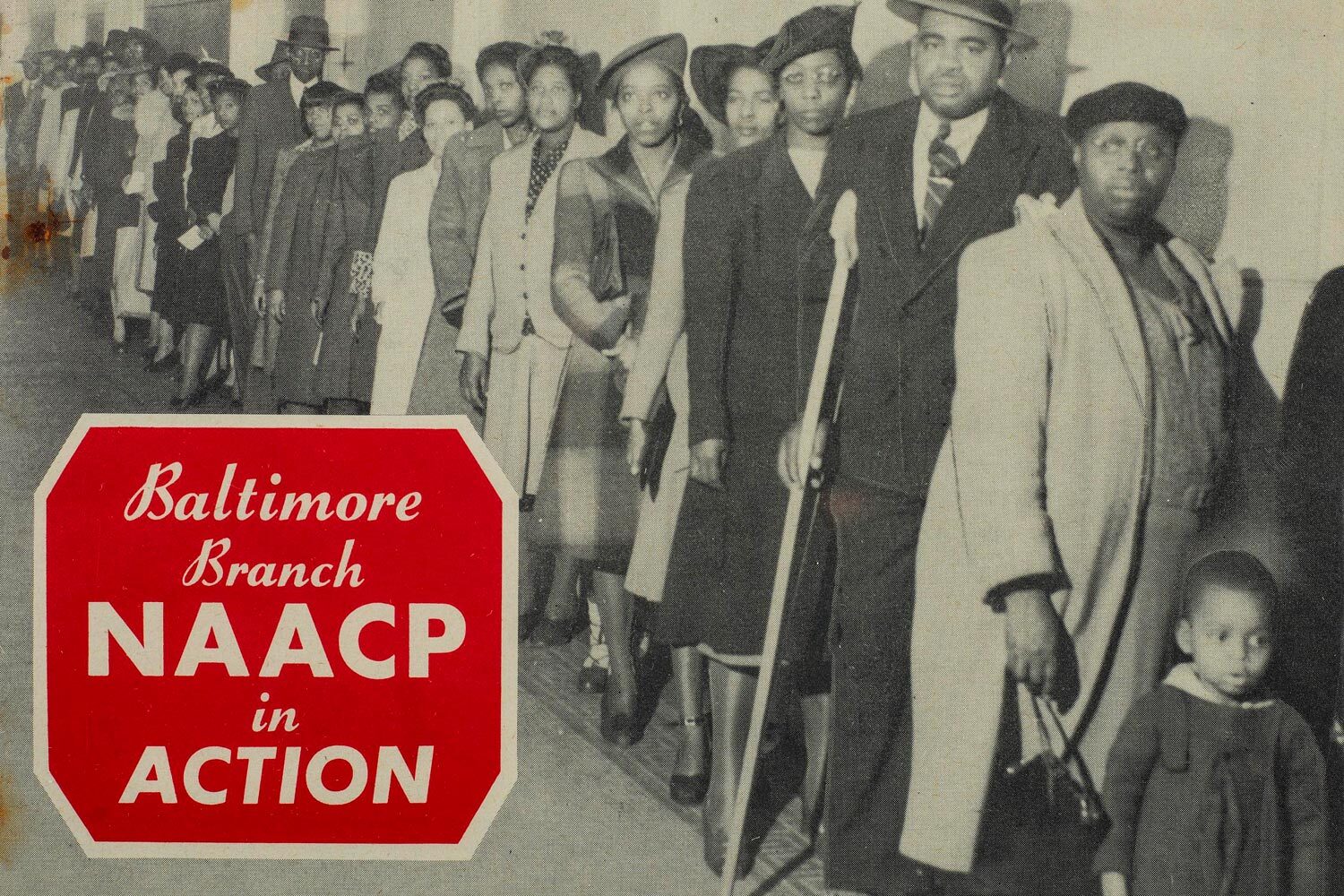
Community Catalysts
Baltimore’s unique history is closely tied to influential organizations such as the National Association for the Advancement of Colored People (NAACP) and the Baltimore Urban League. These groups and other community associations brought people together to strengthen the collective cause of social and civic justice through democracy. By leveraging an array of strategies including voting, campaigning, pursuing legal cases, boycotting, protesting, and grassroots organizing, these groups brought about political change in Maryland and the United States.
Annex, First Floor
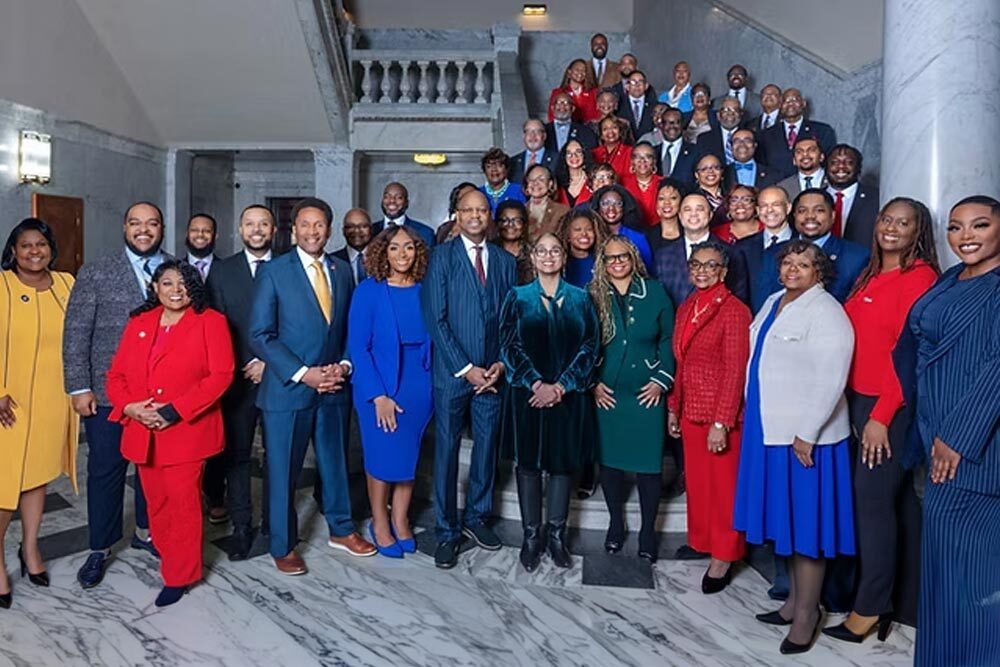
Legislative Black Caucus of Maryland
By drafting and sponsoring legislation to address constituent needs — and by examining all bills that affect the Black populace — the Legislative Black Caucus of Maryland (LBCMD) acts as a legislative body on behalf of the Black community. The Caucus also presents a Black perspective to the Legislature and advocates for public policies that promote Black progress. Additionally, the LBCMD serves as a research study group to generate pertinent data in support of appropriate public policies to advance growth and opportunities in Maryland’s Black community and other marginalized communities.
Second Floor Hallway
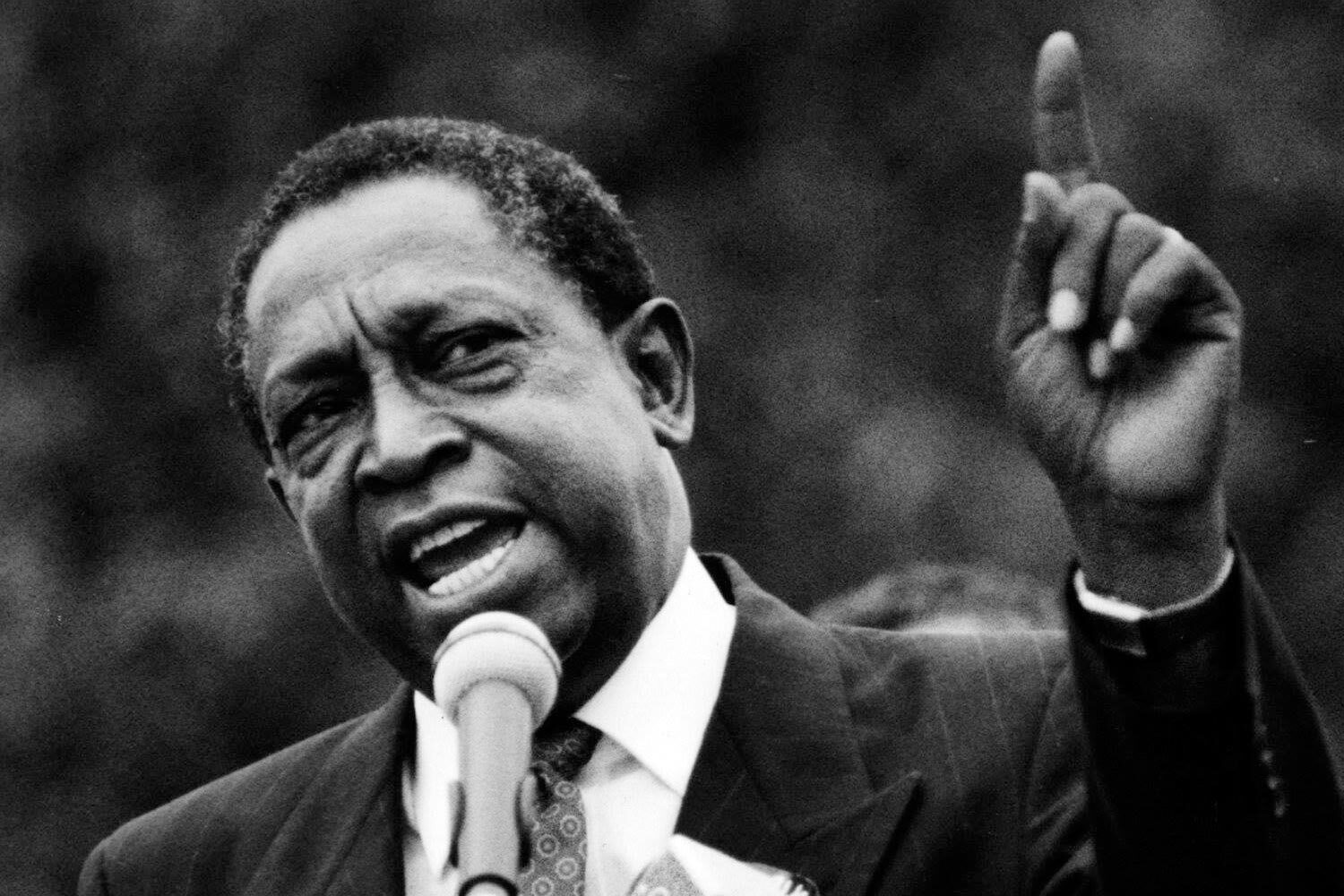
Baltimore City: Mayors and City Council
Baltimore has long been a majority-Black city, yet it did not have a Black mayor until 1987. That year, City Council President Clarence H. "Du" Burns assumed the office when William Donald Schaefer stepped down to become Governor of Maryland.
With the exception of Martin O'Malley's tenure from 1999 to 2007, Baltimore has had a Black mayor ever since. The seven mayors in this section all built extensive careers in local and state politics before taking office, having served in roles such as city council member and city council president as well as various positions in state government.
Adrienne Jones, who made history as the first Black person and first woman to serve as Speaker of the Maryland House of Delegates, said: “I’ve learned that even when no one is looking, you keep working. You do what’s right. And no matter how big or small your role is, public service matters.” Black Political Leaders in Maryland: A Legacy honors the vision, passion, and transformative nature of Black public service.
Central Library
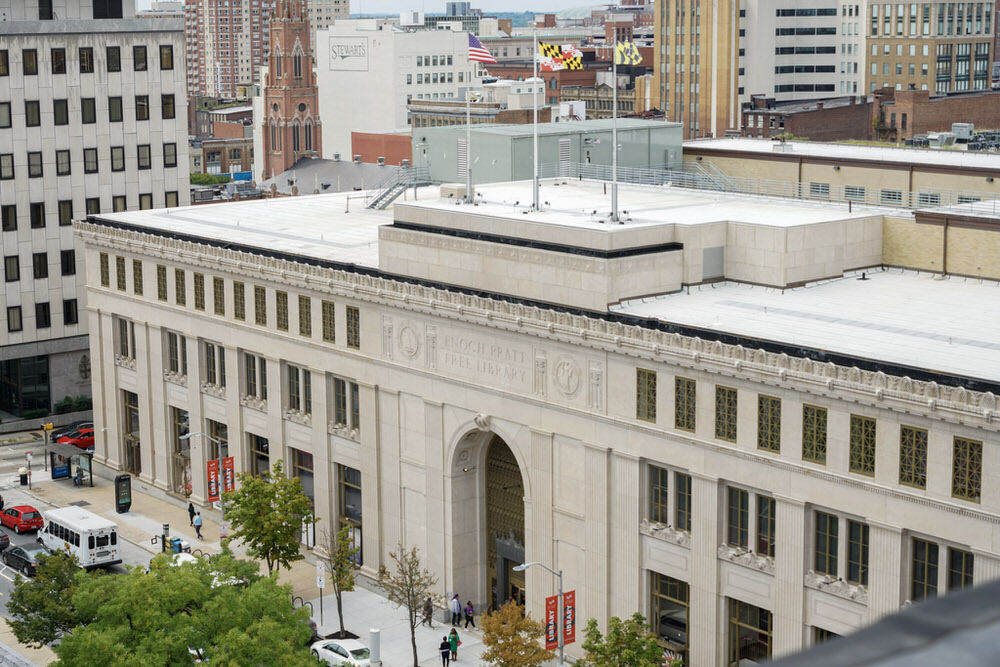
Hours & Location
The exhibit is open to the public during the Central Library’s regular operating hours. Located at 400 Cathedral Street, Baltimore, MD 21201, the library is open Monday through Thursday from 10:00 AM to 8:00 PM and Friday and Saturday from 10:00 AM to 5:00 PM. The library is closed on Sundays.