



Research
Research your family history, get homework help, read current newspapers, and more with Pratt Library research resources. Browse subject guides, databases, and digital collections or chat with a librarian to get started. A Pratt Library Card is required to access many of our databases.
Featured Databases

LGBTQ History and Culture Since 1940
Over three million pages of fully-searchable, rare and unique sources illuminating the experiences of LGBTQ individuals and groups of different races, ethnicities, ages, religions, political orientations and geographical locations.

Full Text Academic Journals
JSTOR is an online archive of academic journals and primary sources covering a wide range of topics.

NoveList
NoveList Plus and Novelist K-8 Plus help readers of all ages find their next great read.
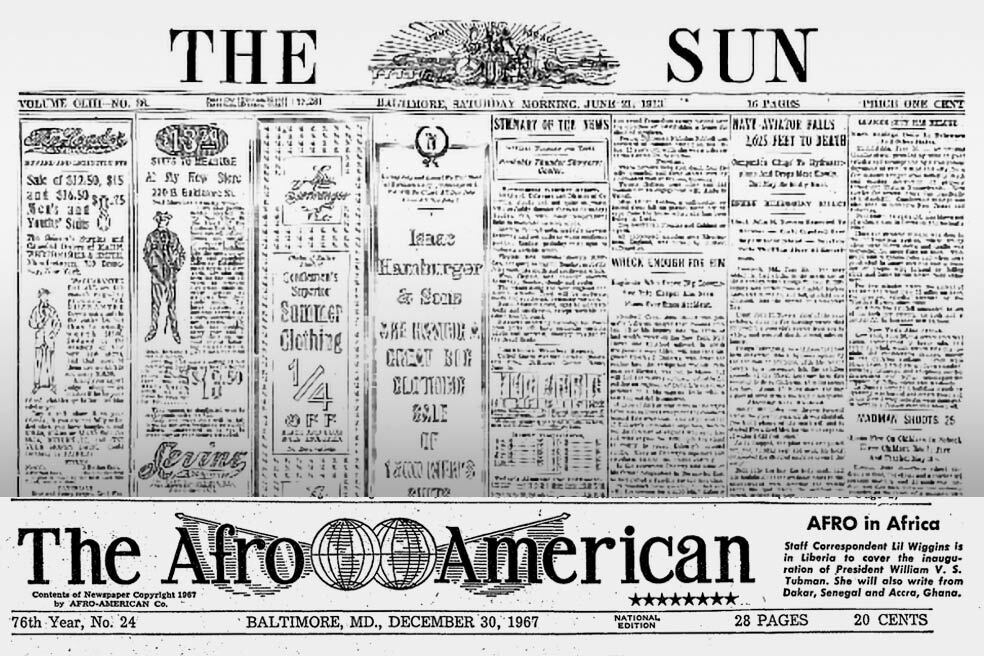
Maryland Newspaper Archives
Search current and historical Maryland newspapers, including over 100 years of the Baltimore Sun and Baltimore Afro-American. Powered by ProQuest.
Current Newspapers

Baltimore Banner
Stay up to date with local news, politics, business, entertainment, and more with nonprofit online newspaper The Baltimore Banner.

Baltimore Sun
Reporting in Baltimore since 1837, the Baltimore Sun reports daily local, national, and international news.

New York Times
One of the longest-running newspapers in the United States, The New York Times reports domestic and international news.

Wall Street Journal
The Wall Street Journal, founded in 1889, provides extensive coverage of news, especially business and finance.
Featured Research Guides

Job Seeker's Toolkit
Looking for a job in Baltimore? This toolkit is designed to support job-seekers and those who assist job-seekers.

Civic Engagement
Your voice matters! Learn about contacting your representatives and researching policy with this guide to civic engagement.
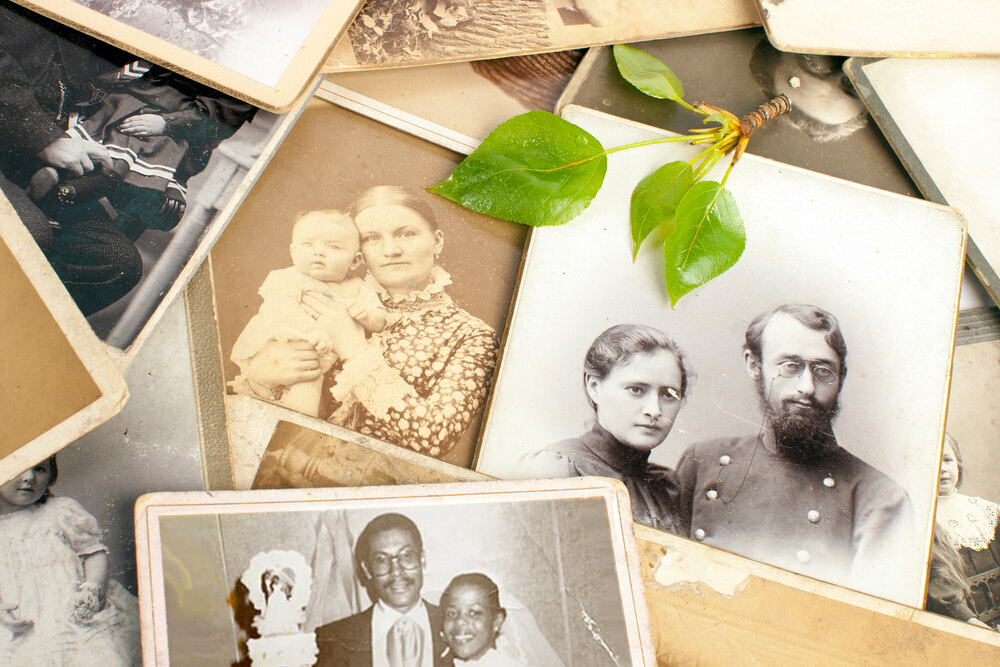
Genealogy & Family History Research
Research your family history and genealogy with extensive resources, both in person and online.

Early Maryland History
Find resources and guidance for researching early Maryland history from the Colonial through the Antebellum periods.
Got a Question? Ask a Librarian!
During Pratt Library hours you can live chat with a librarian. Prefer to talk on the phone? Call (410) 396-5430 for answers to reference questions.
Chat with a LibrarianDigital Maryland Collections
Providing online access to digital versions of rare and unique materials, including historical maps, photographs, reports, books, manuscripts, artwork, and other media. To view more digital collections from libraries, museums, archives, and other institutions throughout Maryland, visit Digital Maryland.
View the CollectionCentral Library Departments
Find librarian expertise, books, media, microfilm, and more in Central Library Departments. Explore Departments related to subjects from Maryland history and fine arts to job seeking and teen resources.
View the Departments